
How Health Insurance Impacts Preventive Care and Long Term Health
In the United States, health insurance is more than just a means of paying for emergency surgeries or managing chronic illnesses. One of its most profound effects lies in how it influences individuals' decisions to seek preventive care and adopt healthier lifestyles. Preventive care—such as vaccinations, screenings, regular check-ups, and health counseling—can detect diseases early, lower the risk of serious health conditions, and reduce long-term healthcare costs.
Yet, millions of Americans delay or avoid preventive services due to lack of health insurance or inadequate coverage. This disparity not only affects individuals’ quality of life but also places a significant burden on the U.S. healthcare system. This article examines the relationship between health insurance and preventive care in America, explores how insurance shapes long-term health outcomes, and discusses policy developments aimed at expanding access and improving public health.
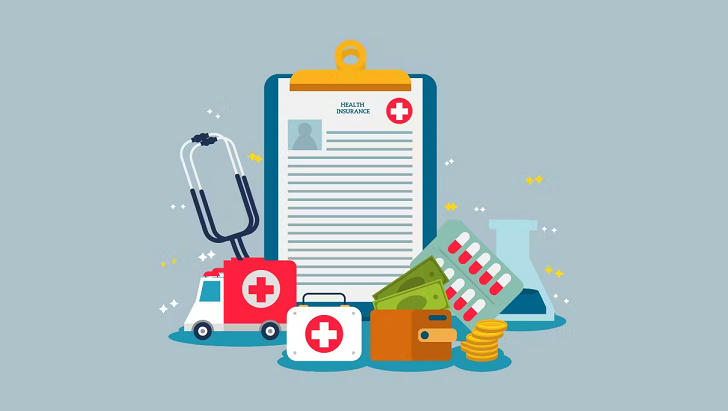
1. The Importance of Preventive Care in the U.S. Healthcare System
Preventive care refers to medical services that are used to prevent diseases before they become serious. These include immunizations, cancer screenings (like mammograms or colonoscopies), cholesterol and blood pressure checks, and counseling on lifestyle habits such as diet, exercise, and smoking cessation.
In a healthcare system where treatment costs can be extremely high, preventive care plays a vital role in reducing long-term medical expenses. According to the Centers for Disease Control and Prevention, chronic diseases such as heart disease, diabetes, and cancer account for approximately 90 percent of the 4.5 trillion dollars in annual healthcare expenditures in the U.S. Many of these conditions are preventable or manageable with early intervention.
However, uninsured individuals are far less likely to use preventive services. A study by the Kaiser Family Foundation found that adults without insurance were nearly half as likely as those with insurance to receive recommended cancer screenings. Without insurance, even basic checkups become financially burdensome, discouraging early action that could prevent serious health problems later on.
2. How Health Insurance Encourages Preventive Behavior
Health insurance significantly increases the likelihood that individuals will seek preventive care. This is especially true since the passage of the Affordable Care Act in 2010, which mandated that most health plans must cover a list of preventive services without charging patients a copay, deductible, or coinsurance. These services include:
- Blood pressure, cholesterol, and diabetes screenings
- Certain cancer screenings such as breast, cervical, and colorectal
- Childhood and adult immunizations
- Annual wellness visits
- Contraceptive counseling and services
By eliminating financial barriers, the Affordable Care Act encouraged more Americans to engage in regular health monitoring and early detection. Insured individuals are also more likely to have a primary care provider, which improves care coordination and continuity—both crucial to preventive health.
Insurance also creates a psychological incentive to seek care. People with coverage are more aware of their rights to free preventive services and more likely to develop ongoing relationships with healthcare professionals, leading to improved adherence to preventive recommendations.

3. Long-Term Health Outcomes and the Role of Insurance
Beyond access to preventive care, health insurance is closely linked to long-term health outcomes. Individuals with continuous health coverage generally experience:
- Lower hospitalization rates due to early detection and management
- Better management of chronic diseases like asthma, hypertension, and diabetes
- Improved mental health outcomes due to better access to behavioral health services
- Increased life expectancy through timely and effective medical care
Conversely, lapses in coverage can lead to missed screenings, interruptions in medication, and deteriorating health. Vulnerable populations such as low-income families, rural residents, and ethnic minorities are especially affected.
Uninsured individuals often delay care until conditions become emergencies, leading to higher costs and worse outcomes. This reactive approach increases financial pressure on hospitals and taxpayers alike.
4. Challenges and Gaps in Preventive Care Access
Despite improvements, significant barriers to preventive care remain in the United States. These include:
- Medicaid expansion disparities: Ten states have not expanded Medicaid, leaving many low-income adults in a coverage gap
- High-deductible health plans: Though preventive services are covered, follow-up care often isn't and can be expensive
- Lack of health literacy: Many people are unaware of what services they can access for free
- Systemic barriers: Racial and ethnic minorities, immigrants, and rural populations often face language barriers, provider shortages, and transportation issues
Efforts to close these gaps include community health programs, mobile clinics, and advocacy for broader insurance reforms.
5. The Policy Landscape: Improving Preventive Care Through Insurance Reform
Policy solutions play a major role in increasing access to preventive care. Current strategies and proposals include:
- Public option insurance plans: These could offer affordable preventive-focused alternatives to private plans
- Expansion of community health centers: These provide preventive services to underserved populations
- Telehealth reimbursement: Permanent adoption of telehealth access would improve preventive access in rural and remote areas
- Value-based care models: These encourage providers to prioritize prevention and chronic disease management
The continued support of the Affordable Care Act and its preventive provisions will remain essential for progress.
Conclusion
In the United States, health insurance is a powerful determinant of whether individuals receive the preventive care they need to live longer, healthier lives. From cancer screenings to chronic disease management, the presence or absence of insurance has far-reaching implications—not just for individual health, but for the entire healthcare system.
Expanding access to affordable, comprehensive insurance coverage remains one of the most effective strategies for improving public health and reducing long-term medical costs. Preventive care is not just a clinical tool; it is a societal investment. Ensuring that every American has the opportunity to protect their health before illness strikes should be a national priority.