
Public Hospitals vs Beauty Clinics: Hair Transplant Resource Map USA 2025 Edition
Hair transplant demand surges in the US, with procedures projected to hit 231,000 annually by 2027. Facing choices between public hospitals and beauty clinics, Americans seek accessible resources for quality care. This 2025 map analysis delivers data-driven insights to navigate options smartly. ⭐
Why Hair Transplants Are Booming in 2025
The US hair transplant market is exploding, driven by rising genetic factors and lifestyle shifts. Over 42.68% of American men experience hair loss, ranking among the highest globally. Genetic predisposition accounts for 81.1% of cases, making it a primary motivator. Stress and irregular diets, cited by over half of young adults in global surveys, amplify demand—especially among the 18–29 age group, where 12% plan future procedures.
Additionally, the increase in social media use has made the awareness of hair loss more pronounced, as individuals are often judged on their appearance online. This modern dynamic contributes significantly to the urgency for cosmetic solutions, including hair transplants.
✅ Key Drivers:
- Genetic links dominate, with scalp-focused treatments chosen by 86.7% of men and 82.8% of women.
- Post-pandemic, nearly 30% report increased interest, as confidence in cosmetic procedures grows.
- The global hair care market, valued at $105.14 billion in 2025, fuels innovation and accessibility, enabling a wider range of procedures and technologies to reach consumers.
Act now to leverage this growth—delays risk missing out on advanced solutions. 📊
Comparing Public Hospitals and Beauty Clinics: Quality vs. Cost
Choosing between public hospitals and beauty clinics involves trade-offs in service and affordability. Public hospitals often provide budget-friendly options with rigorous medical oversight, ideal for those prioritizing safety. Beauty clinics offer faster, personalized experiences but at higher prices—Canada’s average cost hits $17,500, reflecting premium fees.
Moreover, public hospitals tend to have standardized practices subjected to strict health regulations, ensuring an additional layer of consumer protection. This reliability is crucial for patients who may have underlying health issues that require careful monitoring during and after procedures.
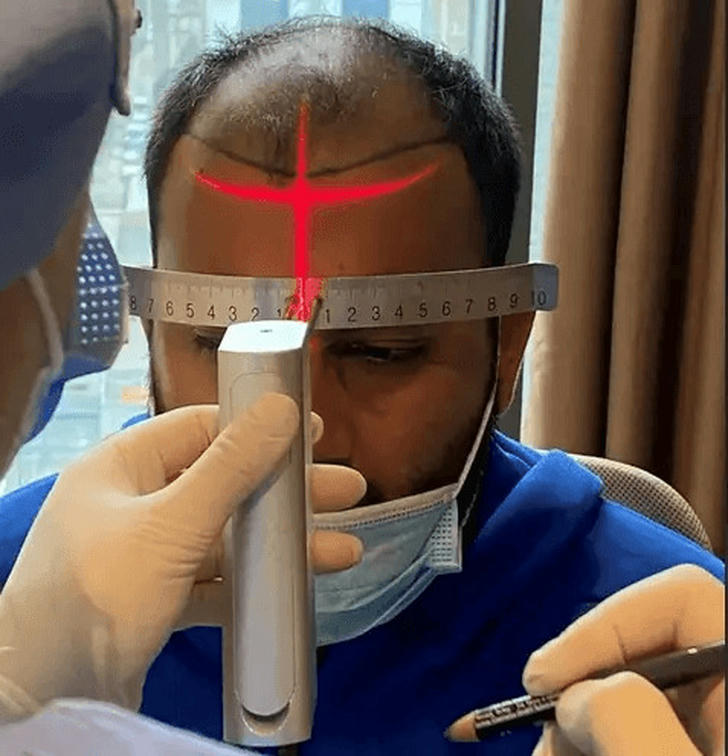
Accessible Hair Transplant Resources Across the US
Many institutions offer discounts or subsidies, easing financial burdens. Public hospitals often partner with insurance for partial coverage, while beauty clinics run seasonal promotions like 20% off FUE procedures. Top resources include:
🎁 Hotspot Map Highlights:
- California: Public hospitals in LA provide sliding-scale fees based on income.
- New York: Beauty clinics offer bundled packages with post-op care.
- Texas: State programs support veterans and low-income groups, facilitating wider access.
Furthermore, nonprofit organizations occasionally sponsor events or informational seminars to educate potential patients on hair restoration options, driving awareness to lesser-known benefits and resources available.
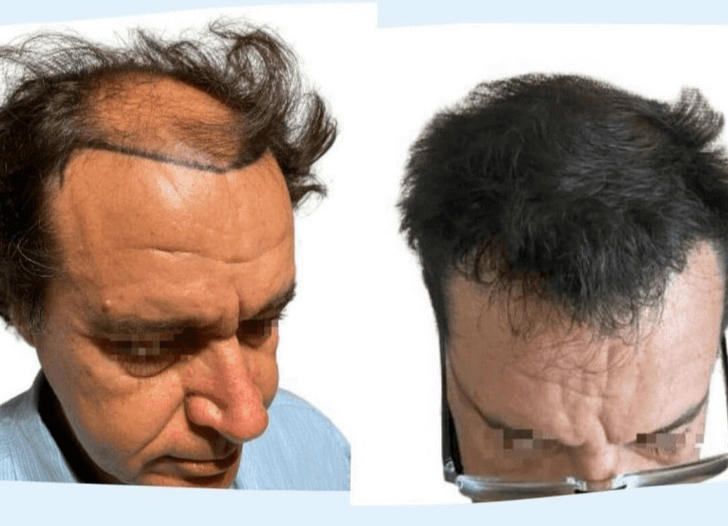
✅ Steps to Access:
- Research local options using the 2025 resource map.
- Consult providers for eligibility—ask about income-based plans.
- Book early; high demand limits slots, especially in metro areas.
Don’t overlook regional variations—urban centers like Chicago have more options than rural zones. This disparity means that exploring the map to discover nearby services can drastically influence both availability and pricing. 🔍
Rising Trends: Young Adults and Women Driving Demand
The hair transplant audience is shifting, with younger demographics and women leading the charge. Over 12% of Americans aged 18–29 express intent for procedures, while female hair loss rates climbed to 12% in the US, up from 11%. This reflects broader trends: stress and hormonal imbalances impact 55.6% of cases globally.
This trend points to a cultural shift where issues like hair loss are increasingly acknowledged and addressed by women, leading to a more inclusive view of hair restoration. The message is clear: hair loss is no longer an issue confined to men but affects individuals across genders.
⭐ User Story: Sarah, 28 from Miami, faced thinning hair due to work stress. She used targeted Facebook ads to compare clinics, securing a subsidy at a public hospital. “Acting fast saved me $5,000,” she shares.
🚀 Modern Social Media Strategy: Utilize platforms like Instagram and TikTok where visuals reign supreme. Highlight patient journeys, before-and-after transformations, and educational content to engage a younger audience more effectively.
📢 Marketing Tip: Focus digital campaigns on platforms like Facebook, using keywords like “hair restoration near me” to attract high-intent users. Emphasize quick recovery times (9–12 months) to build excitement and urgency.
Implement Your Plan: From Research to Results
Start by consulting the 2025 resource map to identify top-rated providers in your state. Combine online tools—like SEO-optimized searches for “affordable hair transplant USA”—with in-person visits for trusted decisions. A Florida clinic boosted bookings 50% by integrating map data into ads, proving data-driven choices win.
Moreover, leveraging customer reviews and testimonials can not only reinforce credibility but build trust among potential clients evaluating options.
✅ Action Call: Download the map today to compare options. Visit clinics for consultations—early birds gain exclusive discounts. Transform uncertainty into confidence; your solution is a click away. 🏢
With the continuous advancements in hair transplant technology and the growing recognition of its benefits, staying informed and proactive is essential for anyone considering this life-altering procedure. Be part of this hair restoration revolution, and take the first step towards renewed confidence!