
☀️ Rising Energy Bills? How Low-Income Households Can Get Assistance
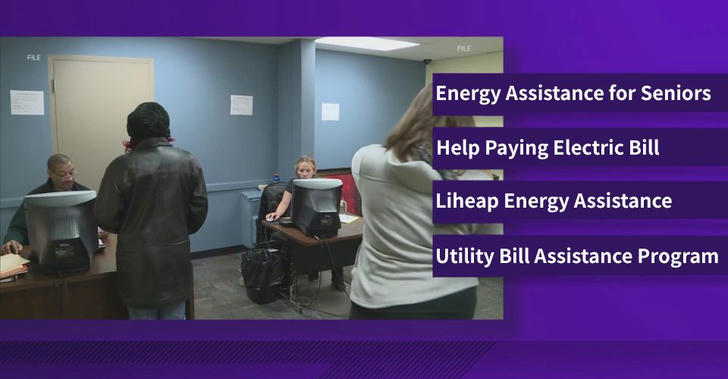
Energy Assistance for Seniors · Help Paying Electric Bill
Rising energy costs are placing a heavy burden on many low-income households in America. Particularly during hot summers when air conditioning costs soar. The (LIHEAP) provides essential support to eligible families, seniors, and individuals with disabilities. Understanding how LIHEAP works, who qualifies, and the application process can help households avoid utility shutoffs and maintain a safe and comfortable living environment year-round. 🔍
What is LIHEAP and Its Role in Supporting Low-Income Households 📌
LIHEAP is a critical federal program, assisting approximately 6.7 million households each year. By channeling funds from federal block grants to state and local agencies, LIHEAP ensures targeted, timely support to help households cover heating and cooling costs and prevent utility shutoffs during extreme weather. ✅
Eligibility Criteria: Who Qualifies for LIHEAP Assistance 🔑
Eligibility primarily depends on household income, with some variation by state or territory. Low-income families, seniors, and individuals with disabilities are often prioritized.
Key points include:
- Income thresholds typically aligned with federal poverty guidelines
- State-specific rules and limits
- Consideration of participation in other federal programs like TANF or SSI
- Household size and additional factors
Knowing these criteria is essential to determine whether a household qualifies for LIHEAP assistance. 📝
Step-by-Step Guide on How to Apply for LIHEAP 🛠️
- Determine Eligibility – Review income and household criteria specific to your state.
- Access Application Resources – Use online portals or visit local offices; some states allow online applications, others require in-person or mailed forms.
- Prepare Required Documents – Submit proof of income, utility bills, and identification.
- Submit Application – Local agencies review applications and allocate funds based on need.
- Apply Early – Assistance is often first-come, first-served, so early application is crucial.
Following these steps improves the chance of receiving timely energy support. ⏰
Types of Assistance Provided: Heating, Cooling, and Emergency Services ❄️☀️⚠️
| Assistance Type | Description |
|---|---|
| Heating Bills | Covers costs during colder months to prevent freezing conditions |
| Cooling Assistance | Helps households manage high air conditioning costs in summer and prevent heat-related health issues |
| Emergency Services | Supports households facing utility disconnections or crises |
| Electric Bills Support | Some states offer help towards electric bills |
| Weatherization Programs | Initiatives to improve home energy efficiency and reduce costs |
This comprehensive support helps households stay safe while reducing overall energy expenses. 💡
State Policies and Additional Support for Utility Disconnection Prevention 📊
Some states have protections against utility disconnections during extreme weather. Households should:
- Understand state-specific disconnection rules
- Contact local aid organizations promptly if disconnection is imminent
- Explore additional programs beyond LIHEAP to maintain service
Being informed ensures continuous service and household safety. ⚠️
Conclusion:
Effectively navigating LIHEAP can provide crucial assistance to low-income households facing rising energy costs, especially during winter heating and summer cooling peaks. By understanding the program, qualification criteria, application process, types of assistance, and state protections, families can secure essential energy help and maintain safety throughout the year.