
🌙 It’s 3AM Again… Why Can’t You Sleep?
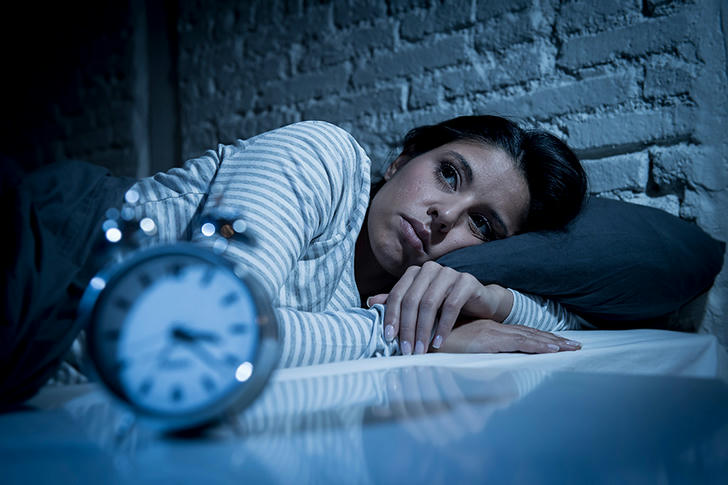
It’s 2:43 AM.
You’ve turned your pillow over. Checked your phone. Closed your eyes again.
Still nothing.
Your body is exhausted — but your mind just won’t shut off.
By morning, you feel like you barely slept at all. Coffee helps… a little. But the fatigue follows you all day.
If this sounds familiar, you may be dealing with more than just a bad night’s sleep — it could be Insomnia.
🧠 It Might Not Be “Just Insomnia”
👉Most people assume sleep problems are simple.
“I just need to try harder to sleep.”
But sleep experts have found something surprising:
👉 The harder you try to sleep, the harder it can become.
That’s because insomnia is often linked to:
- Stress and mental overload
- Irregular sleep patterns
- Learned habits that keep your brain alert at night
- An overactive “sleep anxiety” response that keeps your mind awake
Over time, your brain can actually start to associate your bed with being awake — not asleep.
⚠️ Small Habits That Quietly Ruin Your Sleep
Many people unknowingly reinforce poor sleep patterns:
- Going to bed at inconsistent times
- Lying awake in bed for long periods
- Using phones or watching TV late at night
- Drinking caffeine or alcohol too late
- Taking long daytime naps or sleeping irregular hours
👉 These don’t just affect one night — they can disrupt your entire sleep rhythm and reduce your natural “sleep drive.”
🔄 What Actually Helps (Beyond Basic Advice)
Instead of forcing sleep, many experts now focus on retraining how your brain approaches sleep.
Research-backed treatment doesn’t just focus on “falling asleep faster,”
👉 it focuses on rebuilding your sleep system — including habits, thoughts, and routines.
One of the most recommended approaches is:
🧠 Cognitive Behavioral Therapy for Insomnia (CBT-I)
This structured method helps change the thoughts and behaviors that keep you awake.
It is widely considered a first-line treatment for chronic insomnia, often more effective long-term than medication.
It often includes:
✅ Stimulus Control (Reconnect "bed" with sleep.)
- Go to bed only when sleepy
- If you can’t sleep, get up and do something calm
- Use the bed only for sleep (not phones or TV)
- Keep a consistent wake-up time every day
👉 This helps your brain relearn what the bed is for and rebuild a stable sleep-wake rhythm.
✅ Sleep Restriction (Restrict time in bed)
- Reduce time spent lying in bed awake
- Match your time in bed to actual sleep time
- Gradually increase sleep time as your sleep improves
👉 Sounds counterintuitive, but it can increase sleep efficiency and deepen sleep quality.
✅ Relaxation Techniques (Relaxation training)
- Deep breathing
- Meditation or guided audio
- Progressive muscle relaxation
- Creating a calming bedtime routine
👉 Helps calm the “overactive mind” and reduce physical tension before sleep.
✅ Cognitive Restructuring (Adjust your thinking)
- Reducing anxiety about not sleeping
- Changing negative thoughts like “I’ll never fall asleep”
- Learning how to respond differently to sleep-related stress
👉 This targets the mental patterns that often keep insomnia going.
💊 What About Sleep Medication?
Some people consider sleep aids — and in certain cases, doctors may recommend them.
However:
- They’re usually meant for short-term use
- They don’t address the underlying cause
- Long-term reliance can sometimes make sleep issues worse
👉 That’s why many experts prioritize behavioral approaches like CBT-I first.
🧩 Why Many People Still Struggle
Even after trying tips and routines, sleep doesn’t always improve right away.
That’s because insomnia is rarely just one issue —
👉 it’s often a mix of habits, stress, biological rhythms, and learned responses.
In many cases, people also:
- Try too many changes at once
- Give up too early
- Or unknowingly reinforce poor sleep patterns
🌙 A More Practical Way to Start
Instead of overhauling everything, many people start small:
- Keeping a consistent bedtime and wake time
- Creating a simple wind-down routine
- Making the bedroom dark, quiet, and comfortable
- Avoiding caffeine, alcohol, and heavy meals before bed
- Getting out of bed if unable to sleep
👉 Even small adjustments can help reset your natural sleep rhythm over time.
Some also explore structured sleep programs or gentle nighttime aids to support these changes.
🌙 The Bottom Line
Better sleep doesn’t come from trying harder.
It comes from:
👉 retraining your habits
👉 calming your mind
👉 and giving your body the right signals
💡 Sometimes, one small shift can change your entire night
If you’ve been struggling night after night,
it might not be about doing more —
👉 it might be about doing things differently.