
Navigating the Application Process for Paid Sterile Processing Apprenticeships ✨
No experience required | $3,000 tuition assistance | No tuition fee pressure
Applying for paid sterile processing apprenticeships can be challenging without a clear understanding of the process and requirements. These programs bridge the gap between classroom learning and real-world healthcare experience. Knowing what is expected helps applicants make informed decisions. This guide covers essential features of sterile processing apprenticeships, eligibility and certification needs, application steps, balancing training demands, and tuition assistance and benefits.
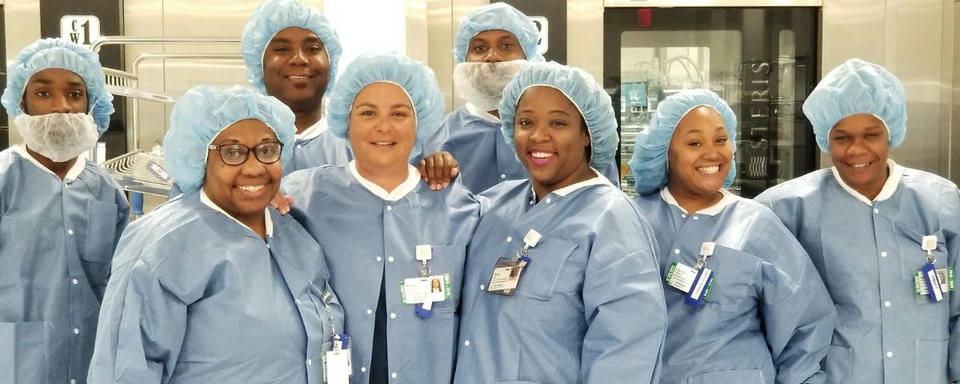
Understanding Sterile Processing Apprenticeships: Key Program Features 🔍
Sterile processing apprenticeships train individuals to ensure medical equipment and surgical instruments are properly cleaned, sterilized, and prepared for use.
Program Length: Typically 6 months
Structure:
Paid hands-on experience in a Sterile Processing Department
Structured coursework and on-site labs
Weekly Breakdown:
Activity Hours per Week Classroom/Lab Instruction 8 Department Work 40 Online Assignments 10
This format offers a balance of theoretical knowledge and practical skills in line with national standards such as those from IAHCSMM. Participants usually have a minimum service commitment, and early termination might require obligations. The primary goal is to prepare apprentices for professional healthcare roles by program completion.
Eligibility Criteria and Certification Requirements Explained ✅
To qualify:
Education: High School Diploma or GED
Certifications (within 18 months of hire):
Certified Registered Central Service Technician (CRCST) OR
Certified Sterile Processing and Distribution Technician (CSPDT)
Additional Requirements: Facility orientation within the first 30 days of employment
These certifications validate that apprentices meet recognized national standards. The role demands:
Attention to detail
Strict adherence to protocols
Ability to handle specialized equipment
Meeting these requirements enhances patient safety and opens opportunities for employment advancement in healthcare.
Step-by-Step Guide to the Application Process 📝
Verify Educational Credentials: Provide proof of High School Diploma or GED.
Complete Application: Submit an official application with resume and references if required.
Coordinate with Institutions: Engage with both healthcare providers and partner community colleges as programs often collaborate.
Interview/Assessment: Selected candidates may undergo interviews or aptitude evaluations.
Orientation: Upon acceptance, complete facility orientation.
Begin Training: Start a structured mix of classroom learning, labs, and departmental work.
Tip: Stay organized and proactive to successfully transition from candidate to apprentice.
Balancing Coursework, On-Site Training, and Work Commitments 📊
Apprenticeships demand up to 60 hours per week divided as follows:
8 hours classroom/lab instruction
40 hours hands-on department work
10 hours online coursework
Effective time management is critical. Strategies include:
Setting a weekly schedule
Coordinating with supervisors and instructors
Utilizing available support resources
Balancing these commitments guarantees program completion and builds vital skills for working in fast-paced healthcare environments.
Tuition Assistance and Benefits: What Applicants Need to Know 🎁
Financial support is a major advantage:
Example: CommonSpirit Health covers $3,000 tuition with a 12-month employment commitment post-program.
Costs: Any remaining tuition is the apprentice’s responsibility, but additional assistance may be available through Workforce Centers, Federal Student Aid, or employer reimbursement.
Apprentices generally qualify for employment benefits during training, including:
Healthcare access
Retirement plans
Other employee benefits
Understanding financial aid and benefits options helps applicants plan financially and professionally for their apprenticeship and healthcare career.
✨ This comprehensive overview ensures candidates are well-prepared to navigate paid sterile processing apprenticeships effectively.