
Welding Technology Courses in 2025|Hands-On Skills for High-Demand Trades
Why Welding Skills Are in Demand in 2025
As construction, manufacturing, and energy sectors expand across North America, certified welders are needed more than ever. Welding is a highly skilled trade with applications in infrastructure repair, shipbuilding, oil and gas, automotive, and aerospace.
In 2025, flexible welding courses — many combining online theory with in-person lab practice — are helping learners break into this essential field.
What You Learn in a Welding Program
Welding technology courses provide instruction in:
- Safety protocols and equipment handling
- Reading blueprints and welding symbols
- MIG, TIG, Stick, and Flux-Cored arc welding
- Metal fabrication and cutting techniques
- Inspection, quality control, and certification prep
Some programs also cover emerging technologies like robotic welding and laser-based systems.
Case Study: Reentering the Workforce with a New Trade
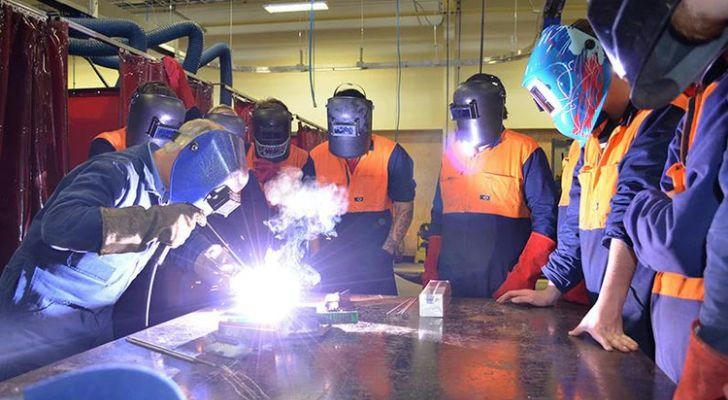
Leticia M., 36, from Houston, previously worked in retail and decided to retrain after her job was phased out. She enrolled in a hybrid welding course that included weekly hands-on labs at a local training center and online evening theory classes.
After earning two welding certifications in eight months, she joined a metal fabrication firm specializing in custom construction projects.
Who Should Consider Welding Training?
Welding is ideal for:
- Individuals seeking hands-on, physically active work
- Career changers looking for fast-entry, well-paid trades
- Veterans and adults with mechanical or technical backgrounds
- High school graduates aiming for practical career pathways
- People interested in working outdoors, on job sites, or in industrial settings
Many start as entry-level welders and later specialize in pipe welding, underwater welding, or inspection roles.
Features of a Good Welding Training Program
When evaluating programs, look for:
- Accreditation from trade or technical associations
- Access to modern equipment and certified instructors
- Certification exam prep (e.g., AWS, CWB)
- Job placement or apprenticeship assistance
- Flexible options for working learners
Some programs also partner with employers or unions for direct placement after certification.
Career Outlook for Welders in 2025
Certified welders are hired by:
- Construction firms and general contractors
- Manufacturing plants and shipyards
- Oil and gas companies
- Aviation and transportation industries
- Renewable energy and infrastructure repair teams
Skilled welders often have the flexibility to freelance or work internationally.
Summary
Welding courses in 2025 offer a fast and practical way to enter a skilled trade that’s in consistent demand. Whether you're starting out or changing careers, certified welding training provides tools for long-term employment and personal growth.